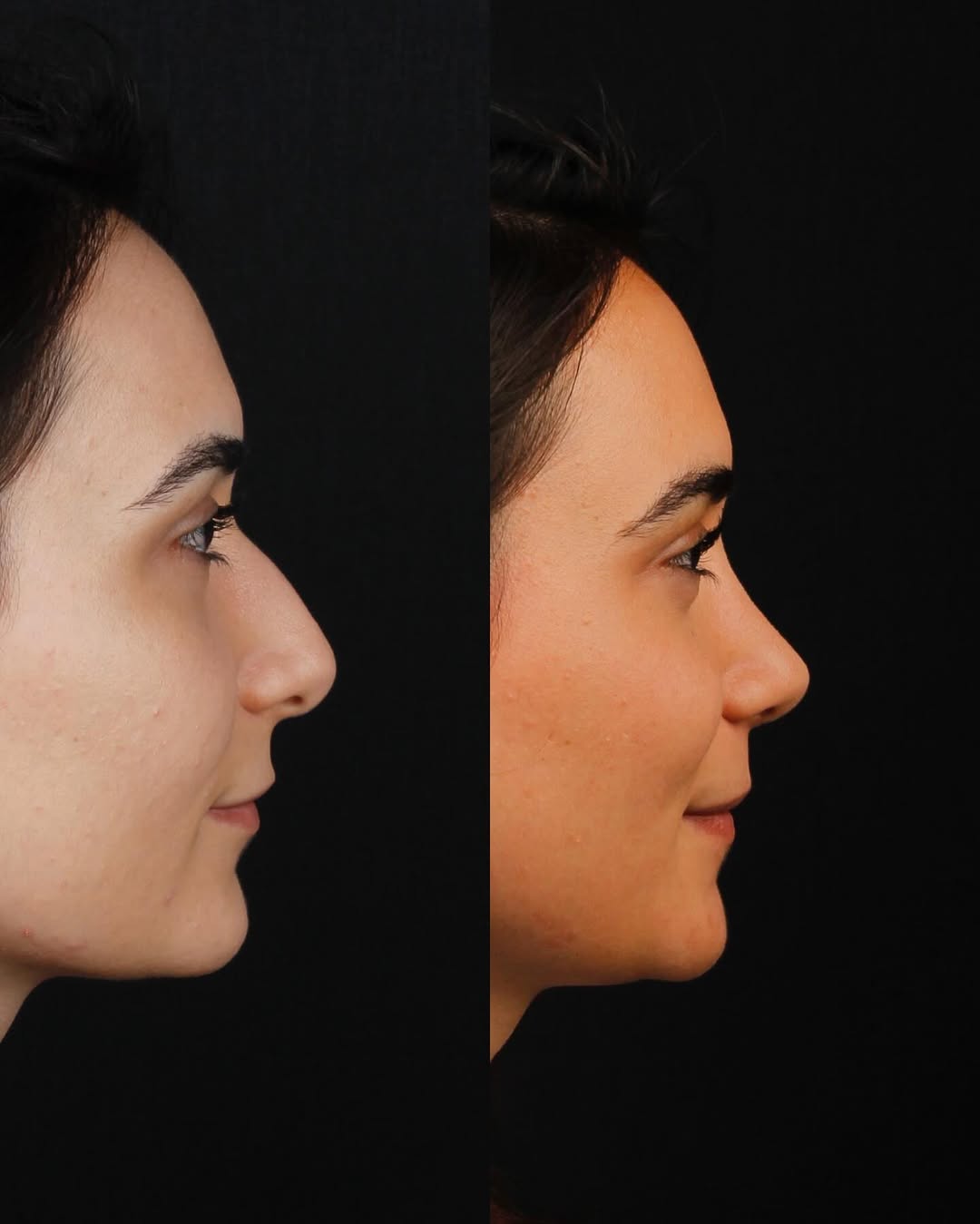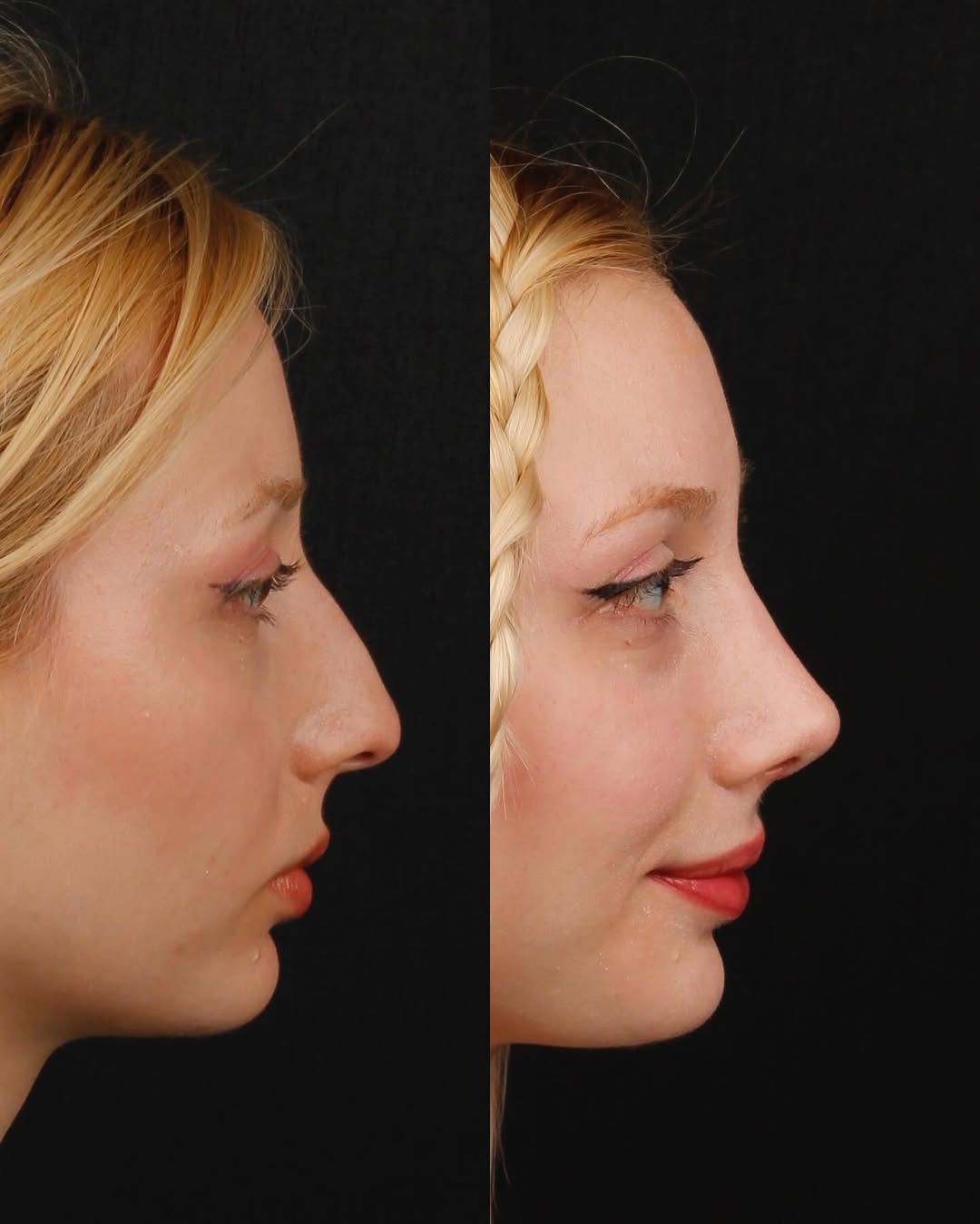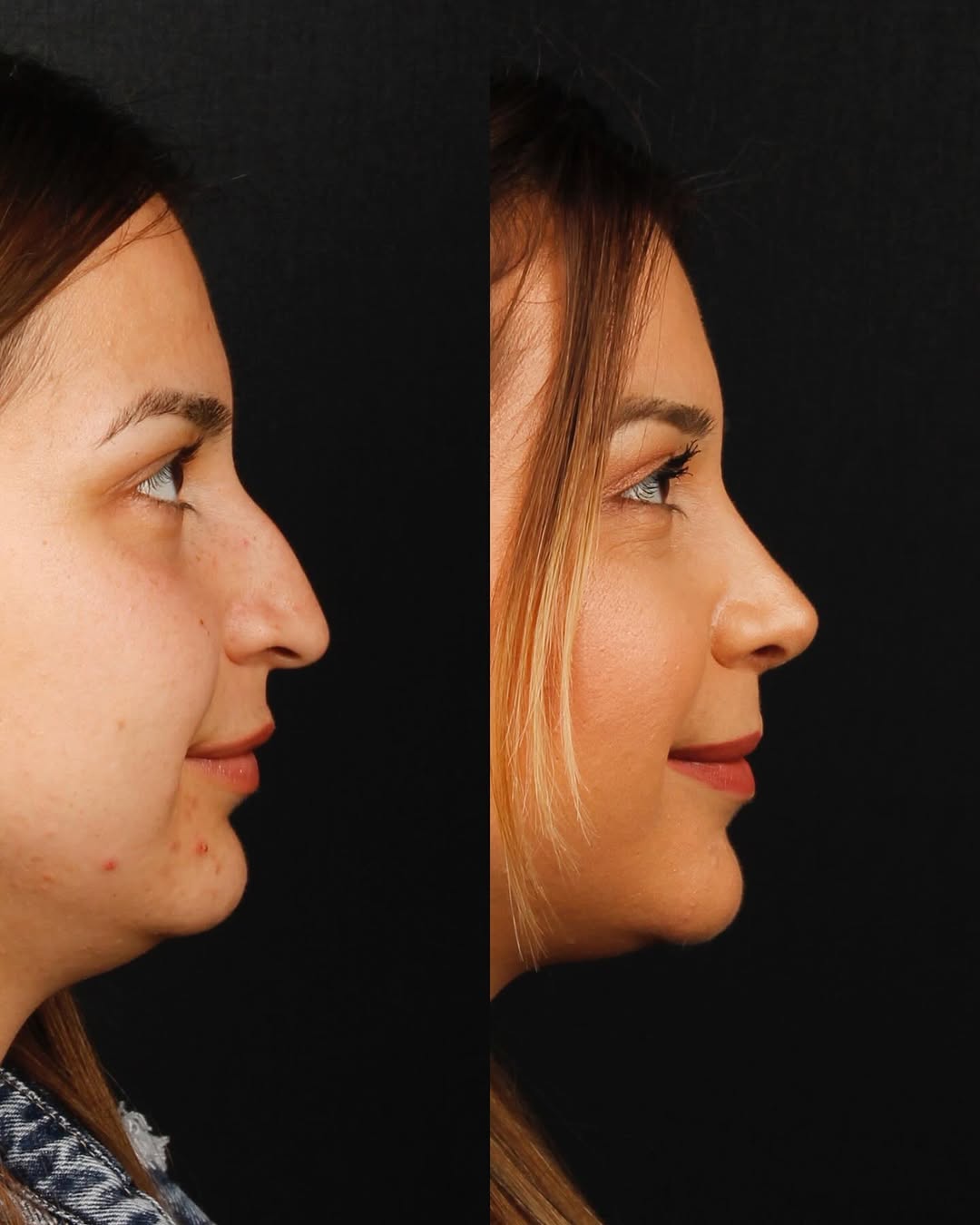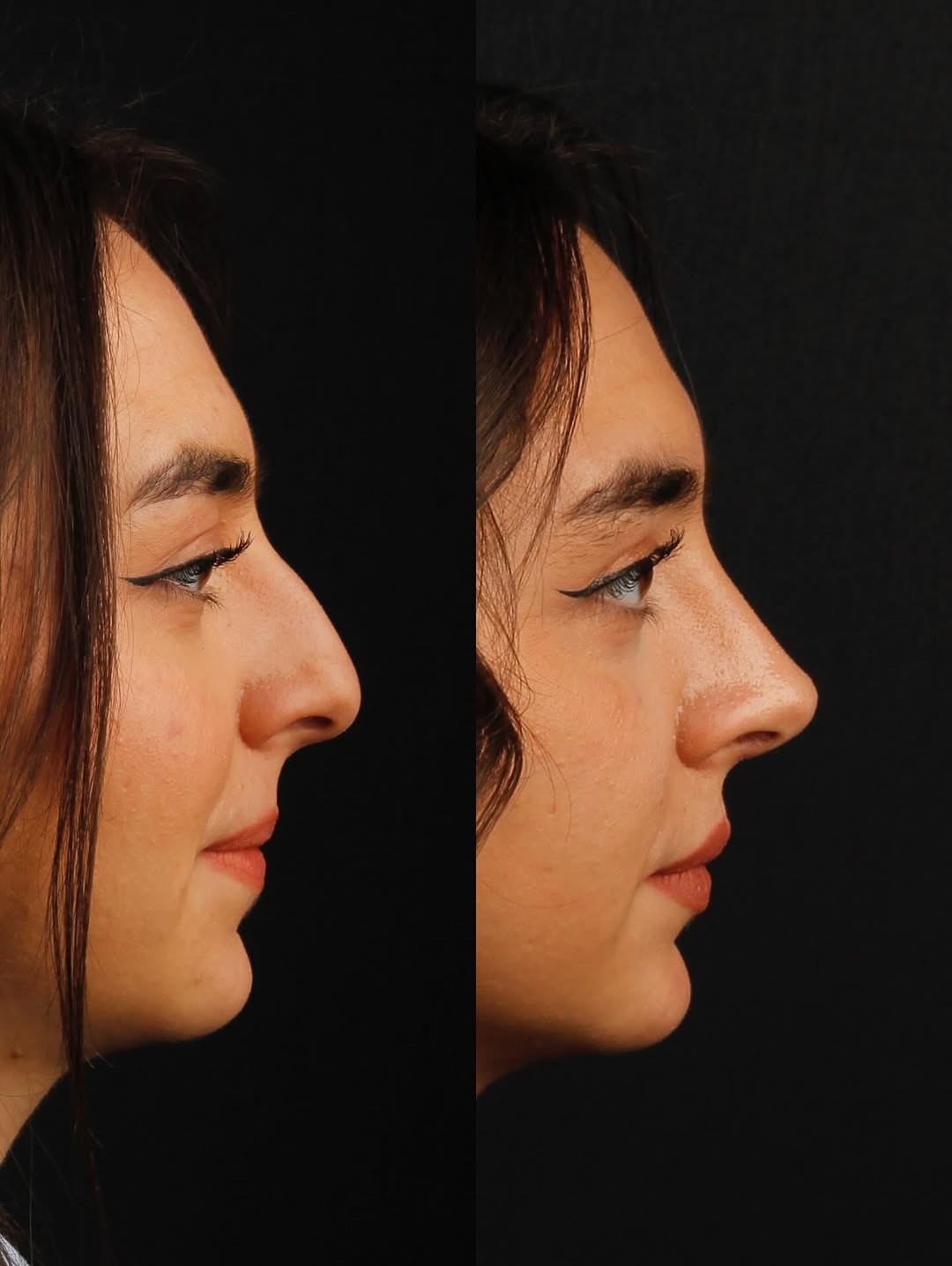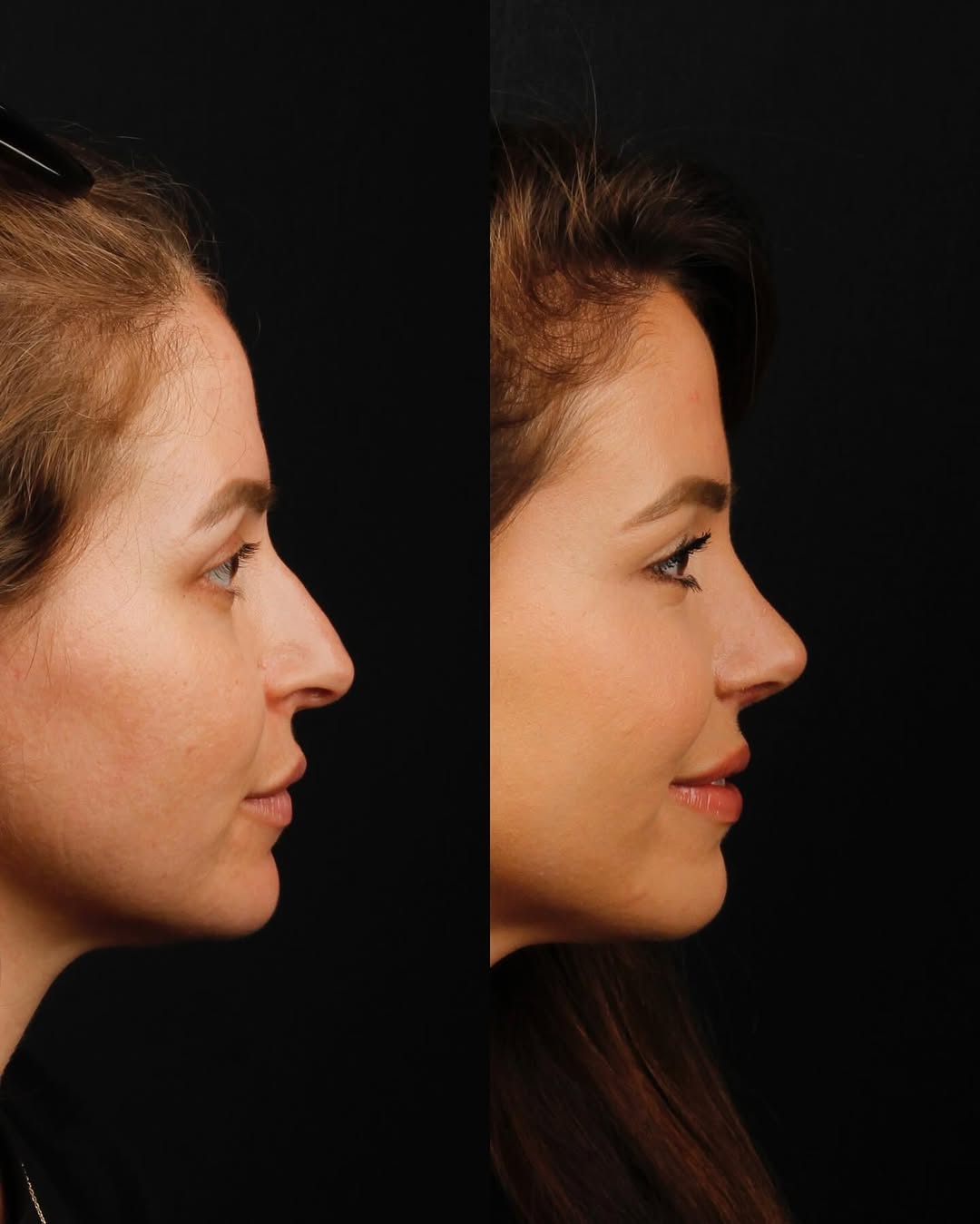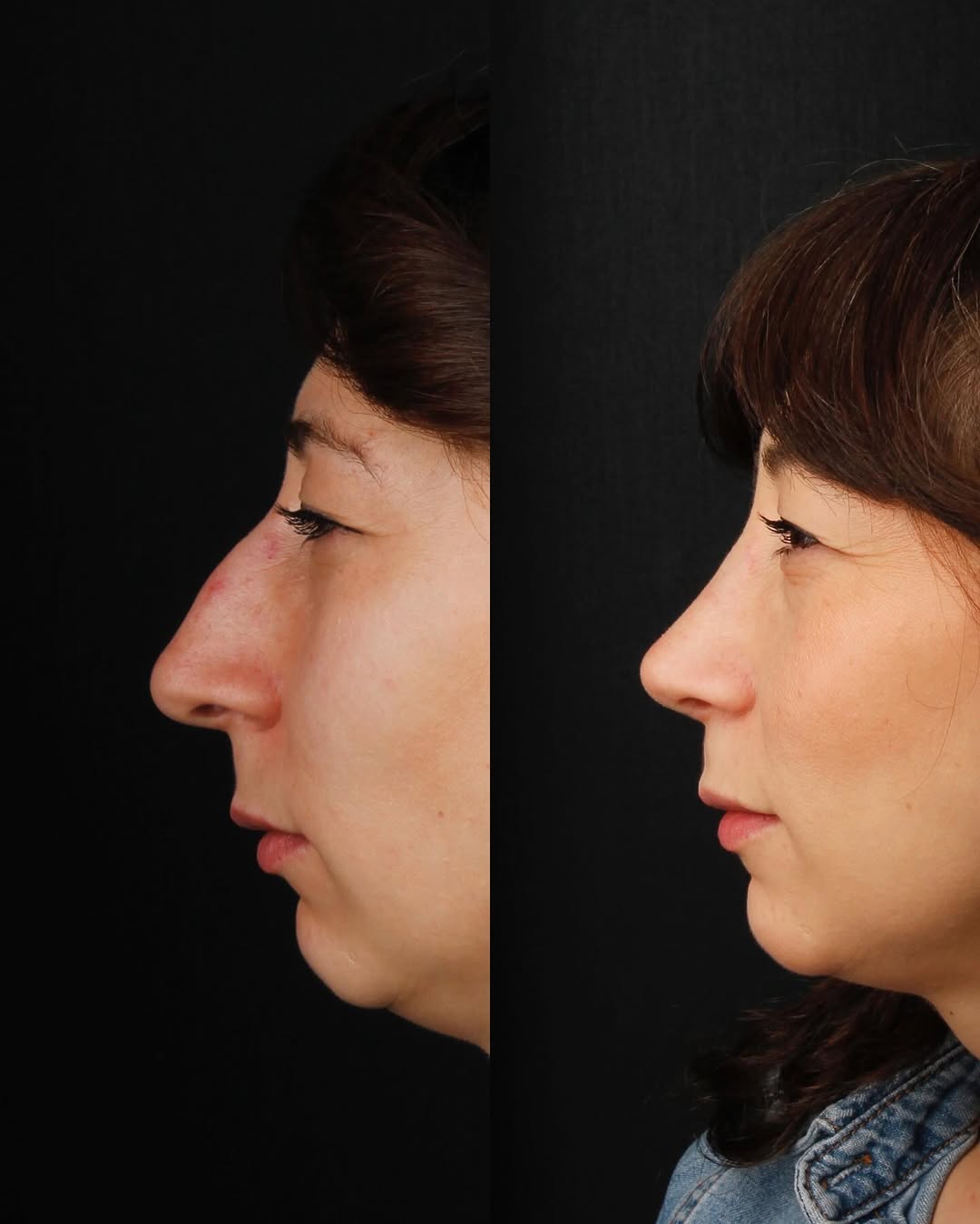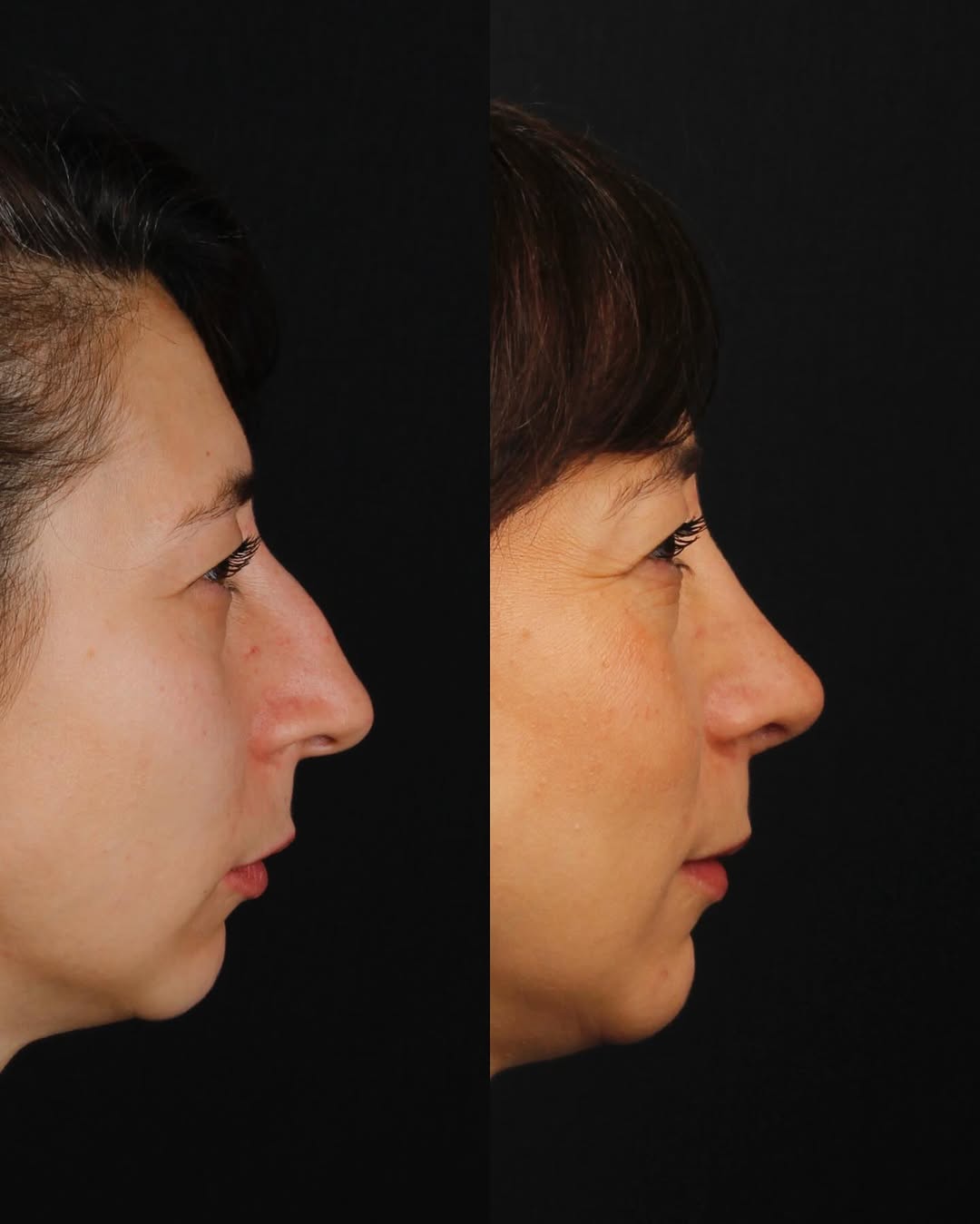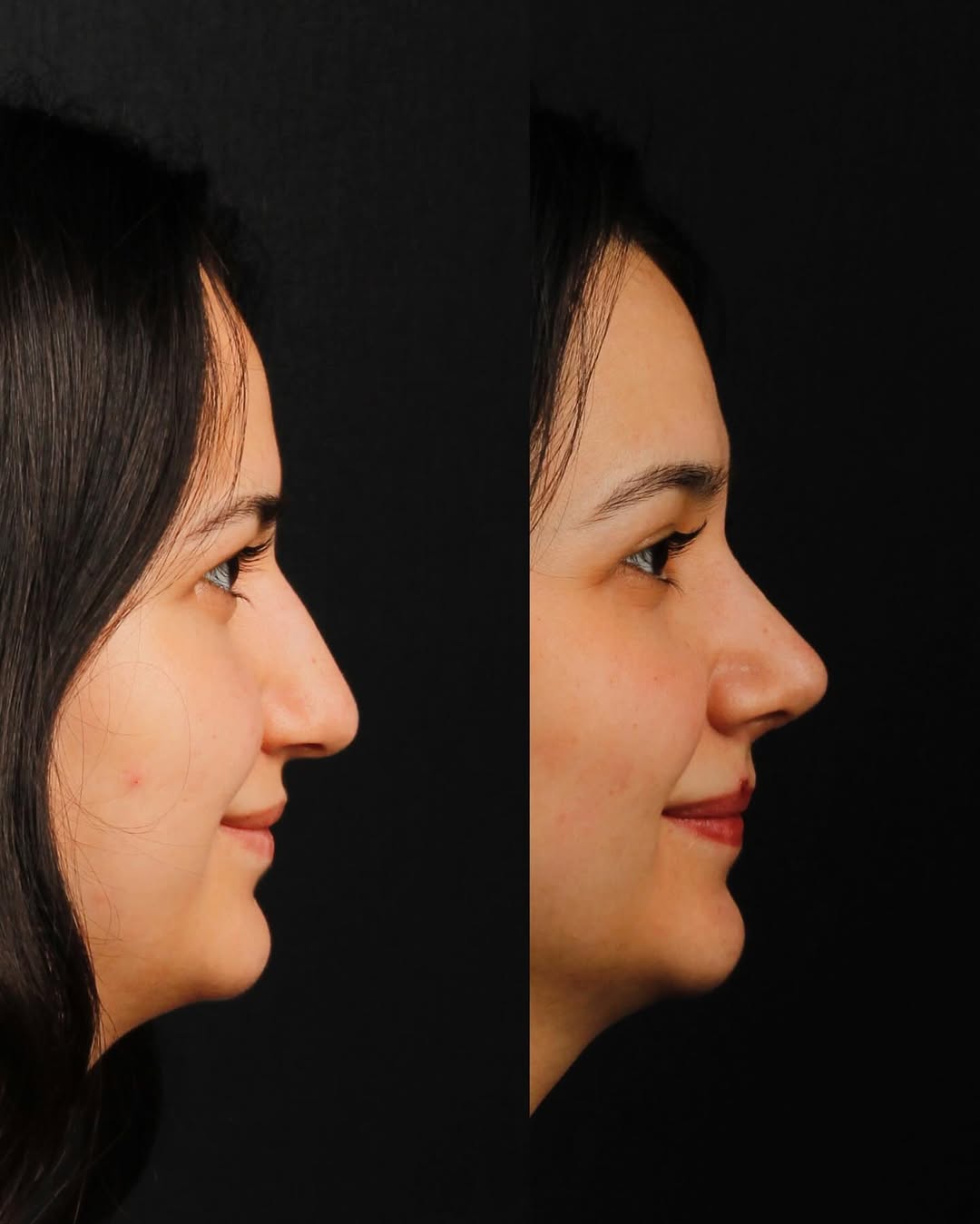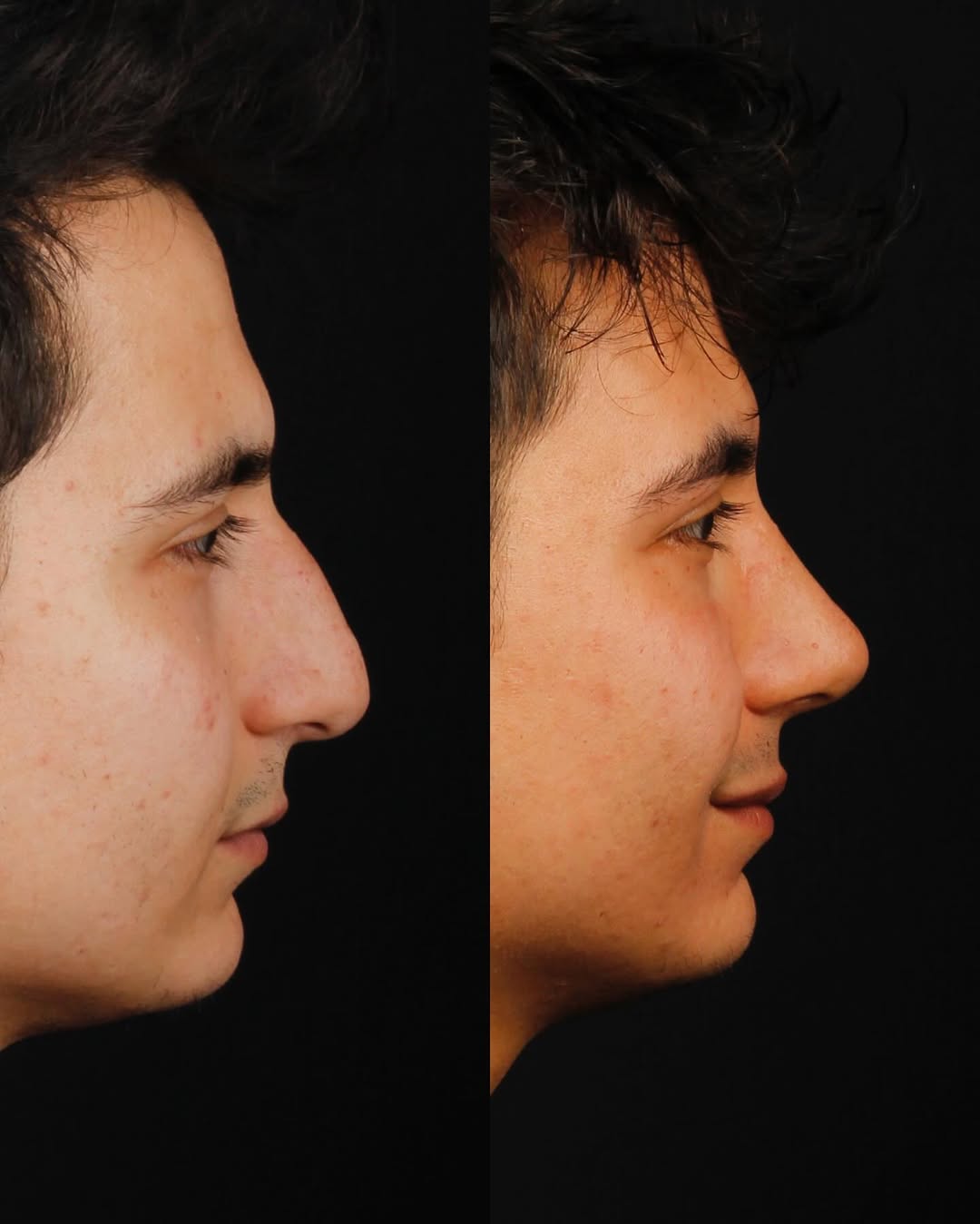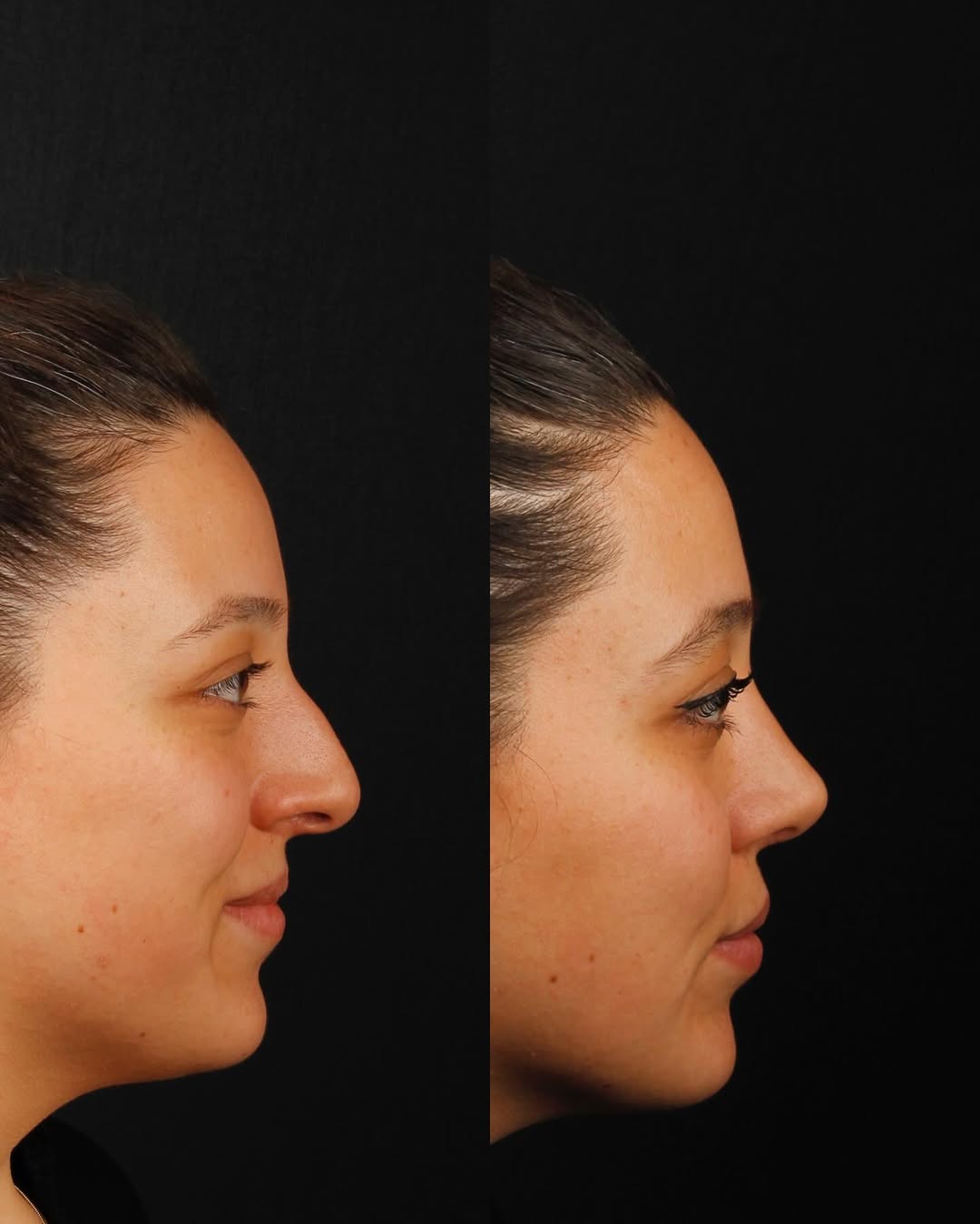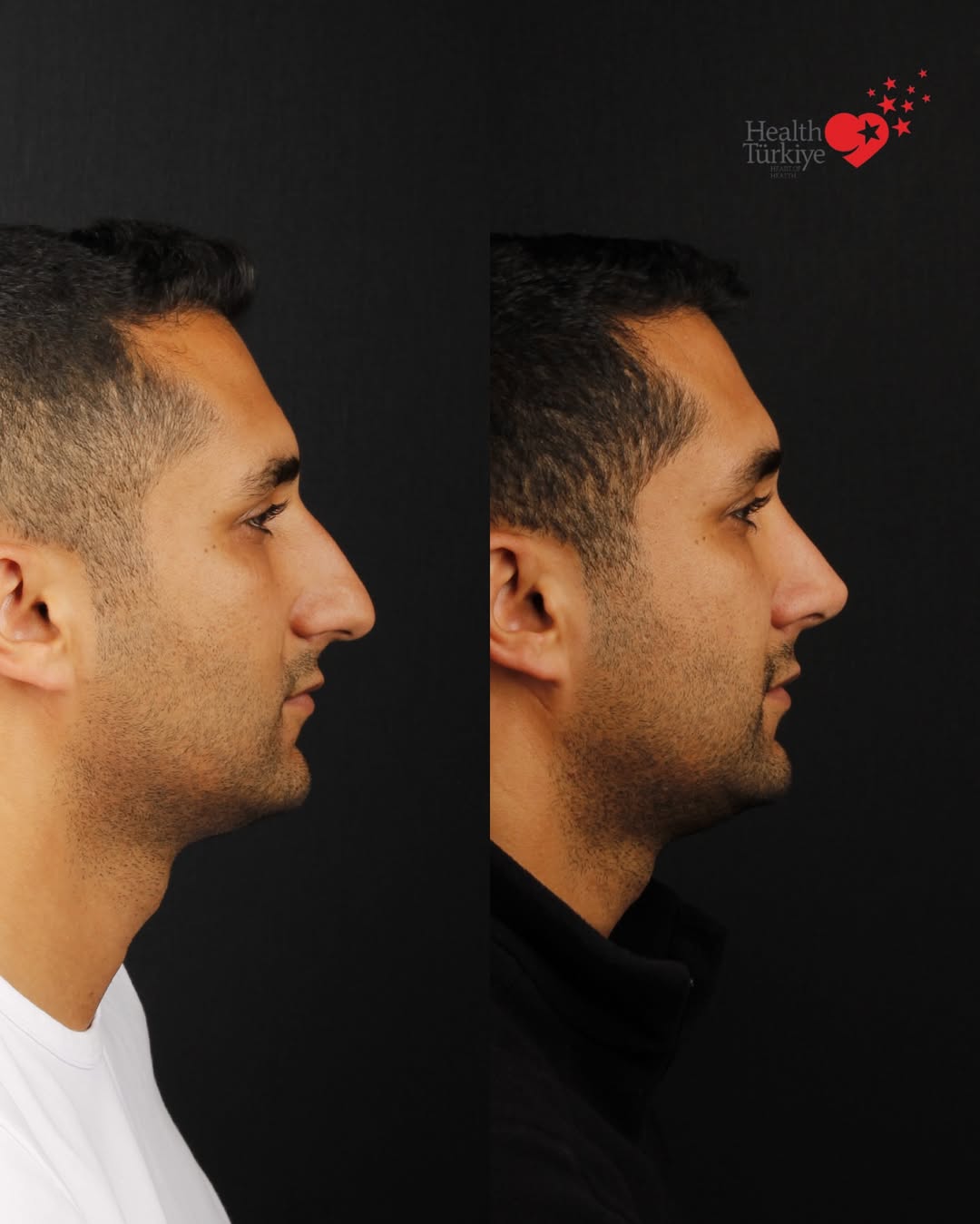

The nose is one of the most prominent structures in facial aesthetics and significantly affects facial expression. Rhinoplasty is a specialized surgical procedure aimed not only at changing the shape of the nose but also at creating a harmonious, natural, and balanced appearance in relation to the overall face.
As Op. Dr. Ayşe Karakaya, my perspective on rhinoplasty is to evaluate each patient according to their facial proportions, skin type, nasal anatomy, and aesthetic expectations. The most important point in nasal aesthetics for me is to achieve a natural and elegant result that does not reveal the surgery and suits the person's face.
What is Rhinoplasty?
Nasal aesthetic surgery is the process of reshaping the bone, cartilage, and soft tissue structure of the nose. With this surgery, issues such as a nasal hump, drooping nasal tip, wide nasal structure, asymmetry, or deformities due to trauma can be corrected.
Additionally, if there are structural problems causing difficulty in breathing, functional improvement can be performed alongside aesthetic planning. Thus, the goal is not only to create a beautiful-looking nose but also to establish a healthy functioning nasal structure.
Personalized Approach in Nasal Aesthetics
Every nose is different. The light, proportions, and character of each face are unique. Therefore, rhinoplasty should be performed not with standard templates but with personalized surgical planning.
As Op. Dr. Ayşe Karakaya, in my pre-operative consultations, I evaluate not only the structure of the nose but also the integrity of the patient's face. Because a successful rhinoplasty is more about achieving a balanced harmony with the entire face than just beautifying the nose alone.
Open and Closed Rhinoplasty
Rhinoplasty surgery can generally be performed using two different methods: open technique and closed technique.
Open Rhinoplasty
In the open technique, a small incision is made at the tip of the nose to reveal the nasal structure in more detail. This provides significant advantages to the surgeon, especially in cases where detailed shaping of the nasal tip is required or in more complex cases.
Closed Rhinoplasty
In the closed technique, all incisions are made from inside the nose. It can be preferred in suitable patients due to the absence of visible external incisions.
The choice of technique should be determined entirely based on the patient's needs. What is important is not the technique itself, but which method will yield the most natural and successful result.
Revision Rhinoplasty
Revision rhinoplasty can be planned for patients who have previously undergone nasal aesthetic surgery but have not achieved the desired aesthetic or functional results.
Revision surgeries require more experience and a more precise surgical approach compared to the initial operation. In some patients, minor corrections may be sufficient, while in other cases, the supportive structures of the nose may need to be reconstructed.
Nasal Aesthetics in Men
Nasal aesthetics in men are evaluated with different aesthetic criteria compared to women. The goal is to ensure that the nose appears more balanced and aesthetically pleasing while preserving the masculine character without altering facial expression.
Therefore, in male rhinoplasty, the planning of the nasal bridge, tip, and angles is approached differently. The result should be natural, should not distort the character of the face, and should not create a noticeable artificiality.
Preoperative Evaluation for Rhinoplasty
The first step to a successful result in nasal aesthetics is a detailed evaluation before surgery. At this stage, the patient's aesthetic expectations, breathing status, facial proportions, skin type, and nasal anatomy are analyzed together.
In cases deemed necessary, planning can be done with photo analysis and simulation support. This way, a common aesthetic understanding is formed between the patient and the physician, and the surgical process progresses more healthily.
How is Nasal Aesthetic Surgery Performed?
Nasal aesthetic surgery is performed under general anesthesia. The duration of the operation varies depending on the scope of the procedures to be performed but usually lasts between 1 to 3 hours.
At the end of the surgery, silicone tampons may be placed inside the nose for support, and a protective splint may be placed on the nasal bridge. Depending on the patient's overall condition, discharge on the same day or short-term observation may be planned.
Recovery Process After Rhinoplasty
In the first days after nasal aesthetics, mild swelling, bruising, a feeling of fullness, and slight leakage may be observed. These are considered normal, temporary findings for most patients.
The majority of patients can return to their social life within about a week. However, it takes a longer process for the nose to take its final shape, for the swelling to completely resolve, and for the final appearance to settle.
During this period, it is extremely important to protect the nose from impacts, to carefully follow the doctor's recommendations, and not to miss follow-up appointments. Because a beautiful rhinoplasty result is completed not only with the surgery but also with the correct recovery process.
Is Natural Nasal Aesthetics Possible?
Yes. One of the most important criteria for successful rhinoplasty today is that the nose does not look operated on. With the right planning, it is possible to achieve results that are harmonious with the face, natural, refined, and do not alter the person's expression.
For Op. Dr. Ayşe Karakaya, the main goal in nasal aesthetics is not a striking change but a natural harmony that elegantly completes the integrity of the face.